Chronotherapy uses the body’s circadian rhythms to maximize benefits of chemotherapy while reducing side effects. There are many possible benefits of chronotherapy, but there is a lot still to learn, which may be why it’s not often used in the clinic.
Key Takeaways
- If we can administer chemotherapy (or even radiation) at a time when its benefits are strongest, and its side effects are lowest, we could help dogs tolerate more potent chemo treatments, and possibly get better outcomes.
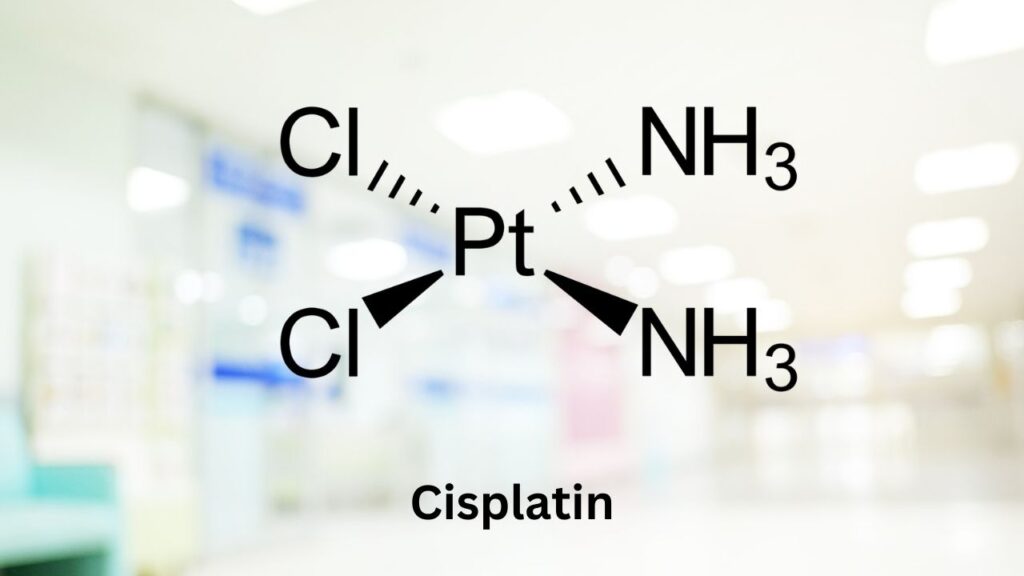
- An example of chronotherapy comes from a study on melanoma in mice. When the mice studied were given cisplatin (a chemotherapy drug) in the evening, there were fewer toxic side effects than when it was given in the morning.
- Chronotherapy is very complex, and we don’t yet have many specific strategies that can be implemented — but the more we study it, the more benefit we may derive in the future.
Chronotherapy: Taking Circadian Rhythm into Consideration
All animals, including dogs, have an internal biological clock known as a circadian rhythm. This clock regulates how our body functions over the natural 24-hour cycle. It is set by both environmental factors and internal factors.
Most of us probably only notice our circadian rhythm when it is disrupted—such as jetlag from time zone changes.
But inside our bodies many biologic processes undergo regular rhythmic changes during a 24-hour period. For example, there are fluctuations in our immune system, hormones (our body’s messengers), and enzymes that process food and drugs.
In this article we will review what is known – and the much that is unknown – about timing cancer treatments.
Timing Cancer Treatments to the Circadian Rhythm
The word “chrono” means “time,” so put together with the word “therapy,” chronotherapy is timing treatments according to the natural daily changes inside our bodies.
When specifically applied to chemotherapy drugs, chronotherapy is called chronochemotherapy.
The hope is that this timing of treatments can provide benefits such as:
- Reducing side effects
- Improving the uptake of drugs
- Improving how drugs reach their target cells
- Improving drugs’ efficacy
Recent research suggests that careful attention to dosing schedules should be an aspect of future clinical trials and may benefit patients by reducing side effects.1,2
Chronotherapy Isn’t Exactly New, But It May Not Be Universal
Timing drug administration to circadian rhythms had been suggested as long ago as the early 1800s.3 With such a long time to work on this, it’s surprising that we don’t use chronotherapy more in medicine.
Dr. Demian Dressler explains his preferred supplements for dog cancer, including ones he recommends giving using chronotherapy time tables.
Chronotype Matters in People
It has been discovered that each person’s circadian rhythm may differ. You probably know “night people” and “morning people.”
This individual variation is called your chronotype. Your chronotype is affected by genetics, age, sex, partnership, time spent outdoors, childcare responsibilities, and even dog care responsibilities!4
Chronotype Matters in Dogs
Dogs also have a chronotype, which can be affected by their geographical location and their owner’s sleep-wake cycle.5
Whether dogs have highly variable chronotypes like humans do is still a mystery, but circadian rhythms in dogs can affect drug processing.
Circadian Rhythms and Cancer Treatments
You may wonder why chronotherapy may be beneficial in treating cancer. It has to do with the circadian rhythm of healthy cells.
Many enzymes are responsible for finding and fixing damage to DNA in healthy cells. These enzymes may have times of day when they are more active, and other times when they are less active.
Cancer cells often lack the ability to “find and fix” their damage. That’s why chemotherapy drugs can cause so much damage to cancer cells so quickly: they take advantage of the cancer cell’s inability to fix itself.
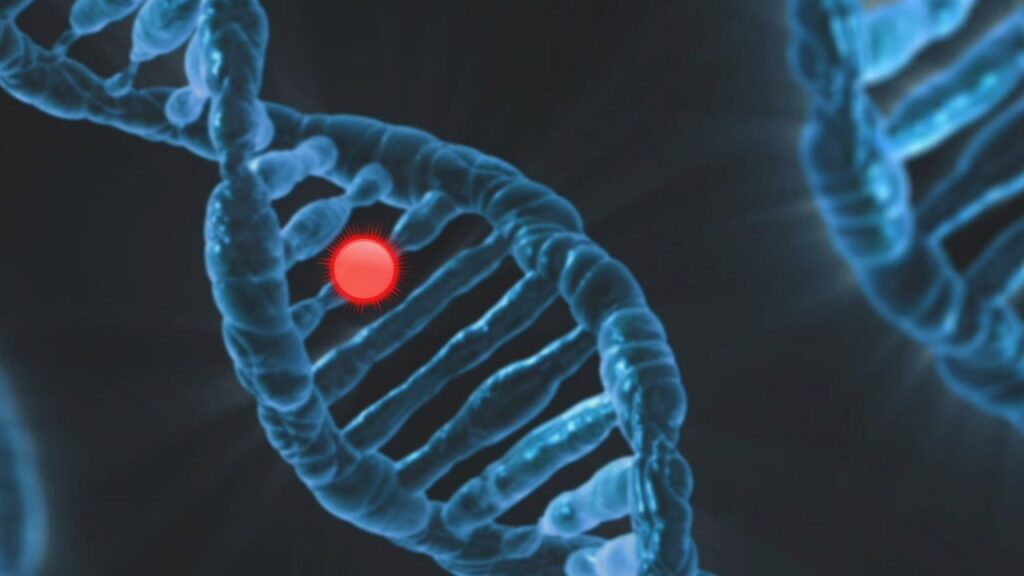
Chemo drugs cause massive DNA damage, specifically in fast-replicating cancer cells. Unfortunately, some healthy cells also replicate fast and are damaged during chemotherapy. The damage and death of these healthy cells cause the side effects we associate with chemotherapy.
Where does chronotherapy come in?
If drug delivery is timed to match when the DNA damage repair system is working at its best, the body’s normal cells recover more easily from the damage caused by chemotherapy. This reduces side effects and may even increase drug tolerance.
Sounds good, right? So why doesn’t your oncologist discuss the best time to give different chemotherapy drugs?
Because these are extremely complex processes, at this point, much more research is needed before we can fully use chronotherapy to improve cancer treatment.2,8
Challenge: Tumors May Have Circadian Rhythms of Their Own
Another reason we don’t yet use chronotherapy to its full advantage is that we don’t fully understand tumors’ circadian rhythm.
It’s clear to researchers that there are dozens to even hundreds of different types of cells carrying unique mutations within a single tumor.
Some of these cells may follow circadian rhythms, some may have no rhythm, and some may have a rhythm that differs from the rest of the body.2
Finding the “best time” to use chemotherapy when multiple circadian rhythms are in play is a true challenge.
Challenge: We Only Have Lab Studies
Another challenge to using chronotherapy is a lack of good studies in living bodies.
Thus far, circadian rhythms of cancer cells have only been analyzed in the lab setting. How that information will translate to an entire tumor in a living body is difficult to predict.
In some instances, changes to genes that affect the cell’s biological clock may make cells more susceptible to therapy, while others may be more resistant.
This variation complicates chronotherapy in cancer. Likely, each new drug in each cancer will require clinical testing to determine the effectiveness and safety of this therapy.2
Human Clinical Trials for Chemochronotherapy
There have been several clinical trials in humans testing chronochemotherapy in cancer. These include ovarian,9 colon,10,11 lung,12 nasal/pharyngeal,13,14 and brain cancer.15
Some examples of these studies on chronotherapy are:
- A small study on ovarian cancer found fewer side effects and a small increase in survival with chronochemotherapy.9
- A small prospective clinical trial for nasopharyngeal cancer examined 60 patients with cisplatin and 5-FU treatment (common chemotherapies) and radiation therapy. There was a significant reduction in the side effects of chemotherapy, although there was no change in survival or recurrence.13
- A second study of nasopharyngeal cancer treated showed fewer side effects with chronotherapy but still no effect on overall survival.14
- Another study evaluated the effect of chronotherapy with cisplatin in non-small cell lung cancer (the most common type). There was no effect on overall survival, but symptoms were reduced.12
- A promising study of a form of brain cancer (glioblastoma) that usually has a very poor prognosis compared the difference between treatment in the morning and evening. The study spanned five years. The results suggested that morning treatment may have provided a small survival benefit.15
- A large study on chronotherapy in colon cancer identified a benefit only in men. Oddly, women did worse on the chronomodulated schedule. The cause of this disparity is unclear.10
Overall, chronotherapy seems to help most with reducing side effects, and sometimes with extra survival time.
We still have much to learn about the ways that individual circadian rhythms and even gender impact treatments.
Chronotherapy with Cisplatin in Mice with Melanoma
One notable study in mice examined the effects of cisplatin (a type of chemotherapy) on melanoma in mice.
They found less toxicity when the drug was delivered in the evening compared to the morning.
They then deleted a gene involved in regulating the mouse biological clock.
When this was done, they no longer saw a difference between morning and evening drug delivery.
This suggests that it truly is an aspect of the biological clock that is influencing the effect.20
Circadian Rhythms and Radiotherapy
There has also been work examining the effect of the timing of radiotherapy on cancer with varying results depending on the cancer type.16,19
Notably, one study adjusted their therapy schedule to the patient’s chronotype based on a specific mutation known to affect chronotype.19
While timing clearly affects patients, often toward alleviating side effects, it is not yet understood well enough for researchers to make clinical recommendations about when to offer radiation to different chronotypes.16,19
Jenny Fisher explains all about radiation for dogs.
When Can We Start Using Chronotherapy?
This is where we give you the frustrating news that even though all this early evidence suggests that chronotherapy may be effective, particularly in reducing side effects, it is not yet used in the veterinary clinic setting.
There is not enough knowledge about dog chronotypes to take advantage of what we know about humans. Even in humans, the variability in cancer cells within a tumor and differences in tumor type might make for unpredictable responses.
Practically speaking, to administer chemotherapy (or radiation) at specific times of day, we would need to have clinics open for business at those hours, including the wee hours. If, as we learn more, this becomes possible in the veterinary clinic, there may be hurdles with limited clinic, staff, and owner hours.
The Future of Chronotherapy — ?
Chronotherapy offers a remarkable insight into the importance of timing drugs, and as it is embraced more, will likely provide humans and their canine buddies with better therapies with fewer side effects.
Fewer side effects from chemotherapy and radiation would certainly be welcome news. We’ll continue to “watch this space” and report as this area of research develops.
Topics
Did You Find This Helpful? Share It with Your Pack!
Use the buttons to share what you learned on social media, download a PDF, print this out, or email it to your veterinarian.