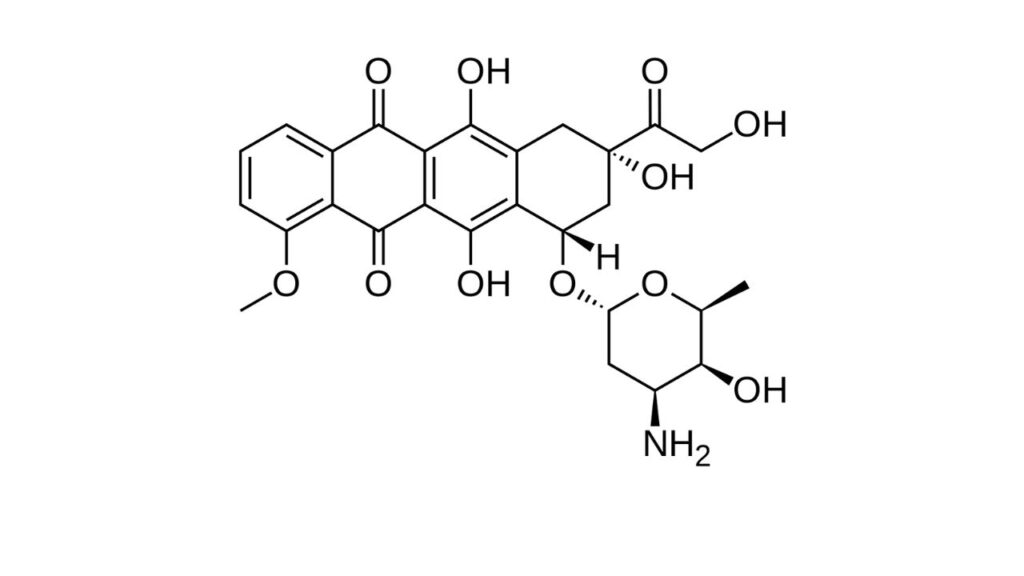
CoenzymeQ10 is a powerful antioxidant that is produced naturally in the body. It is beneficial to the immune system, brain, heart, and muscles. CoQ10 supplementation has been shown to prevent heart damage arising from administration of doxorubicin, a common and effective chemotherapy agent used in dogs.
Key Takeaways
- CoQ10 helps dogs by protecting the heart and other cells and supporting the immune system.
- CoQ10 is safe for dogs, with typical doses ranging from 1-1.6mg per pound per day.
- The form of CoQ10 that is best for dogs is a soft gelatin capsule or solubilized formulation, ideally with ubiquinone or ubiquinol as the active ingredient.
What Is CoQ10?
Coenzyme Q10 (CoQ10), also called ubiquinone, ubidecarenone, or coenzyme Q, is a well-known ubiquitous coenzyme, present in all cells of humans and animals.3,4
It is a fat-soluble vitamin-like nutrient that acts as an antioxidant, protecting cells from damage.5 CoQ10 plays a significant role in mitochondria, the powerhouse of cells where energy is produced.6
CoQ10 is available in two forms, oxidized (ubiquinone) and reduced (ubiquinol). The body converts ubiquinol to ubiquinone in the gastrointestinal system, so one form is not necessarily superior to the other, but nutritional supplement companies have often marketed the ubiquinol form as being better absorbed.7
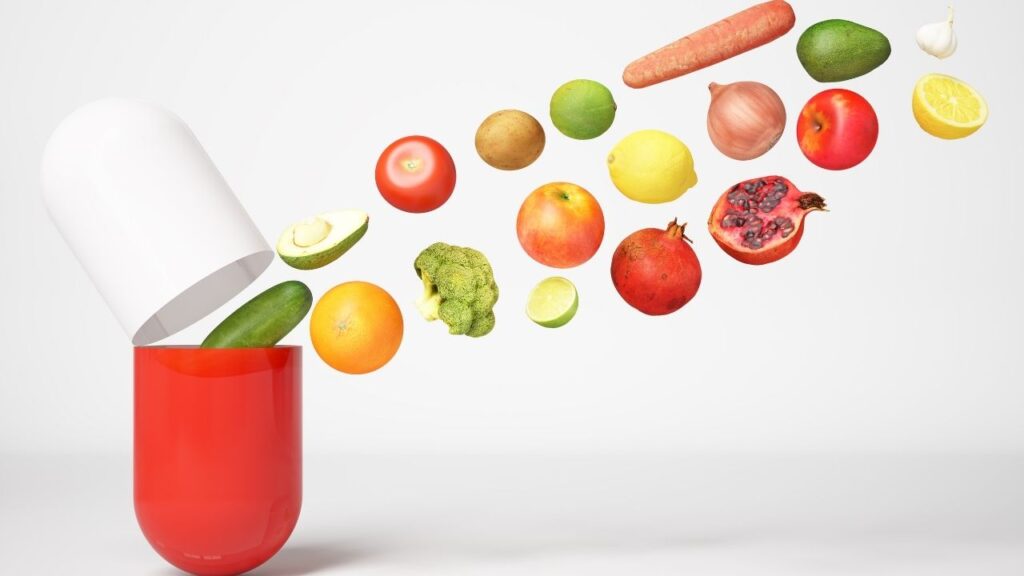
CoQ10 is found naturally in foods such as soybeans, peanuts, palm oil, fatty fishes, and organ meats.8 Cooking can reduce CoQ10 content by 14-32%, therefore supplementation is recommended with certain diseases.9
CoQ10 may be helpful as a nutritional supplement for cardiovascular and other diseases such as neurodegenerative and neuromuscular disorders, mitochondrial cytopathy, diabetes, cancer, and periodontal disease.10 CoQ10 comes in a variety of forms for dogs produced by several pet supplement companies.
Evidence for Efficacy
CoQ10 has many beneficial functions in the body:7
- It helps to produce ATP, a compound that provides energy for many cellular functions.
- Acts as an antioxidant protecting cells from free radicals, molecules that can be harmful to cellular function.
- Promotes cell signaling, the way cells communicate and transfer information in order for biological processes to occur.
Do a quick online search and you will see dozens of supplements supposed to be good for dogs with cancer. But are they? Dr. Dressler, author of The Dog Cancer Survival Guide, discusses the supplements worth considering and how they work in this episode of Dog Cancer Answers.
CoQ10 for Dogs with Congestive Heart Failure
CoQ10 has been shown to have clinical benefits in dogs with heart disease.
It has been shown to decrease inflammation in dogs with myxomatous mitral valve disease and congestive heart failure.11, 12 CoQ10 supplementation reduced heart muscle thickening (hypertrophy) that is often associated with congestive heart failure.13
CoQ10 has also been shown to help prevent cardiotoxicity from anthracycline chemotherapy drugs in humans (these drugs are frequently used to treat cancer in both humans and dogs).14 There are multiple studies showing that CoQ10 also protects against cardiotoxicity in rodents treated with doxorubicin.15-18
CoQ10 for Dogs with Cancer
Several studies using CoQ10 with humans with different forms of cancer have also had positive results. One study showed it reduced cancer cell growth on human breast cells, suggesting it may help reduce cancer cell growth as an adjunctive therapy with doxorubicin.19
CoQ10 has shown to have numerous advantages in humans with liver cancer including:
- reducing oxidative stress (an immune response that can damage cells)20
- reducing chemotherapy side effects21
- protecting against liver toxicity during cancer treatment22
Common Uses for CoQ10 in Dogs
CoQ10 administration may benefit dogs receiving doxorubicin as a cancer treatment. Doxorubicin is a common treatment for many cancer types including lymphoma and many solid tumors. Dogs receiving doxorubicin are at risk of cardiotoxicity leading to potential heart damage which in some cases is irreversible.
The potential heart damage is more likely in large breed dogs with a predisposition to cardiac disease, such as Boxers and Doberman Pinschers. CoQ10 may be useful as a protective agent for the cardiovascular system to decrease the likelihood of developing heart disease related to doxorubicin administration.1,2,23
CoQ10 is also an antioxidant that has been shown to be an important factor in immune health. It performs several functions to support the immune system.24 Supporting immune health in cancer patients is very important as the immune system is compromised from having cancer and receiving chemotherapy.
Tanovea (rabacfosadine) is making history treating lymphoma in dogs, and new research is combining it with doxorubicin. Oncologist Doug Thamm tells the full story in this episode of Dog Cancer Answers.
CoQ10 for Dogs Side Effects
CoQ10 has been shown to be safe to administer to dogs.25-27 The side effects reported are generally limited to mild gastrointestinal symptoms such as nausea and gastrointestinal upset seen in a small number of subjects.5
CoQ10 Can Be Given With Chemotherapy
CoQ10 can be given during chemotherapy without compromising the effect. It has been used with:2,28,29
- cyclophosphamide
- cisplatin
- doxorubicin
- daunorubicin
CoQ10 can be used with radiation and surgery if recommended by your veterinarian.
When to Not Use CoQ10 with Dogs
CoQ10 may stabilize blood sugar, so diabetic patients taking CoQ10 may need to adjust insulin dosage .30,31
Patients receiving anticoagulant therapy need to be monitored closely if given CoQ10, as CoQ10 may have procoagulant activity and make the medications not work as well.5
How to Give CoQ10 to Dogs
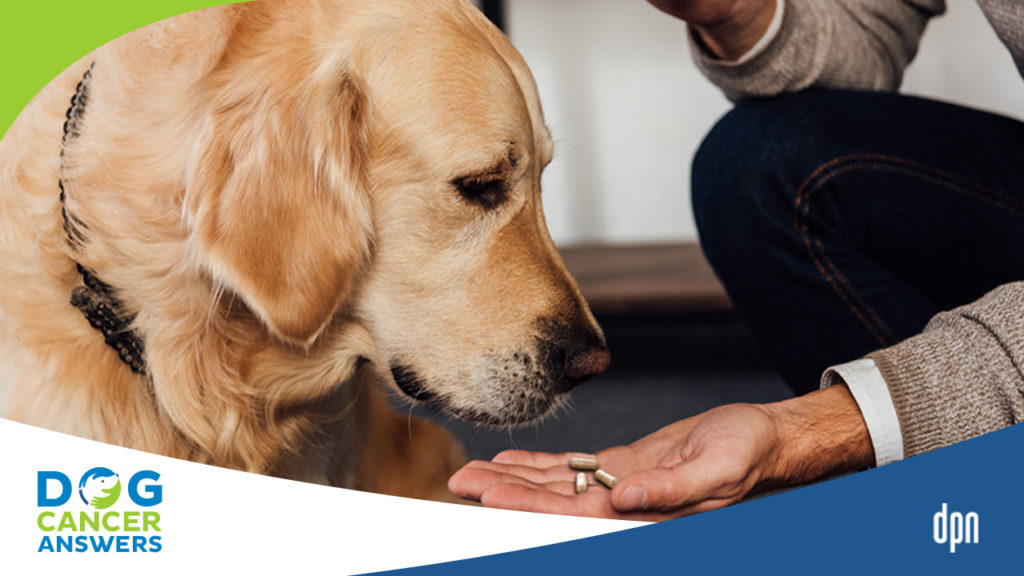
CoQ10 is given by mouth in the form of a capsule, liquid, or chewable.32 It is recommended to give it with food, as absorption of CoQ10 is enhanced in the presence of food, particularly lipids (fats).33
The dose of CoQ10 in dogs is based on body weight.11 The recommended dosage ranges from 1mg per pound per day to 1.6mg per pound per day, split into two doses.34
To treat cardiovascular disease, your veterinarian may recommend a much higher dose.10
Soft gelatin capsules35 and solubilized formulations of CoQ10 showed enhanced bioavailability compared with powder-based capsules, tablets, and oil suspensions.5 Ideally, choose a supplement that uses ubiquinone or ubiquinol as the active ingredient for the best absorption.7
Vitamin E supplementation may also increase the absorption of CoQ10.27,36
What If I Miss a Dose?
Give it when you remember, or skip the dose if it is close to the time for the next dose. Never give your pet two doses at once or give extra doses.37
Store CoQ10 supplements in a cool, dry place. Always refer to the product packaging for specific storage and handling guidelines.38
Our Take on CoQ10 for Dogs
Although rigorous trials have not tested the benefits of CoQ10 in dogs, it is worth talking to your oncologist about if your dog is receiving a chemotherapy agent with a risk of damaging the heart, such as doxorubicin.
Topics
Did You Find This Helpful? Share It with Your Pack!
Use the buttons to share what you learned on social media, download a PDF, print this out, or email it to your veterinarian.

Editor's Picks

RELATED ARTICLES

ADVERTISEMENT