
Modified citrus pectin is a naturally occurring compound that shows promise in helping to slow tumor growth and reduce metastasis in a variety of cancer types. It may also be able to increase the effectiveness of other treatment modalities and help protect the body during chemotherapy.
Key Takeaways
- Dogs can take modified citrus pectin.
- Citrus pectin is a safe supplement for dogs.
- How much pectin you should give your dog depends on your dog’s size and the specific product that you are using. Follow the dosing instructions on your supplement label or from your veterinarian.
What Is Modified Citrus Pectin?
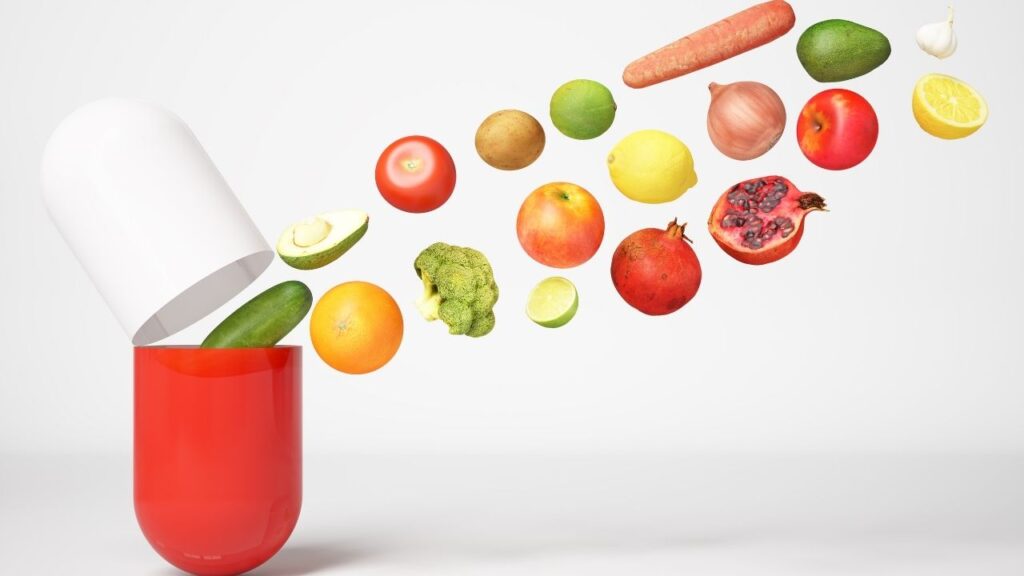
Modified citrus pectin is a naturally occurring polysaccharide that comes from the peels of citrus fruits.1,2 Some veterinarians recommend modified citrus pectin for dogs with cancer.
Most commercial products have been modified to make them easier for the body to absorb.3 Pecta-Sol® is one example of a commonly used brand name.1
Evidence for Efficacy
Modified citrus pectin works by inhibiting a compound called Gal-3, which is elevated in individuals with cancer.
Gal-3 and additional galectins can also be increased in individuals with other chronic diseases such as heart disease, diabetes, rheumatoid arthritis, asthma, and liver cirrhosis.1
Modified citrus pectin is under investigation as both a single treatment option for cancer and for use alongside other modalities such as chemotherapy and radiation.
Human and mouse studies involving a variety of tumor types have shown stabilization of disease and decreased metastasis (spread to other organs) in individuals taking modified citrus pectin, even in cases where other treatments have previously failed.4-9
In the lab, modified citrus pectin has improved the effectiveness of multiple chemotherapy agents10-14 and, in mice, one study noted similar effects for radiation.15
As modified citrus pectin has been shown to decrease fibrosis, it may also help reduce the impact of chemotherapy on non-target organs.16
Pharmaceutical companies are currently developing their own Gal-3 inhibitors,9 which suggests that the early research data is promising enough to warrant further investment into these compounds as a viable option for cancer treatment.
Common Uses of Modified Citrus Pectin for Dogs
Modified citrus pectin appears to impact cancer in a variety of ways and may be able to:1,3
- directly slow tumor growth
- reduce metastasis
- encourage apoptosis (death) of cancer cells
- sensitize tumors to chemotherapy
- increase immune function
The compound is currently being studied for use in many different types of cancer including leukemia,7 prostate cancer,4,6,8,15 breast cancer, colon cancer,5,6 ovarian cancer,14 myeloma (a cancer that occurs in a type of immune cell called a plasma cell),10,11 and more.6
Safety and Side Effects
Limited safety studies are available for modified citrus pectin and further research is needed. Always speak with your veterinarian before starting your pet on a new supplement.
Currently the most commonly reported side effects include:6,7
- itchiness
- skin rashes
- nausea
- flatulence
These side effects resolve upon discontinuation of the product.7
Itchiness and a rash after administration may suggest an allergic reaction. If you notice these symptoms in your pet, discontinue use of the supplement immediately and contact your veterinarian for further guidance.
Using Modified Citrus Pectin with Other Treatments
Studies on drug and treatment interactions are limited and further research is needed. Always speak with your veterinarian before starting your pet on a new supplement.
Early studies show promising results that modified citrus pectin may be a safe and useful addition to chemotherapy10-14 and radiation15 protocols.
One human study used modified citrus pectin alongside other supplements as part of a nutritional intervention and showed no adverse effects when combined with curcumin, green tea, garlic, vitamin D, grape seed, mushroom extracts, and more.17
When to Not Use Modified Citrus Pectin for Dogs
While under investigation for use alongside other cancer treatments, studies on drug and treatment interactions are limited at this time and further research is necessary. Speak with your veterinarian to determine if modified citrus pectin is a suitable option for your dog.
How to Give Modified Citrus Pectin
Modified citrus pectin is available as both a capsule and a powder. When using the powder, you should dissolve it in a small amount of liquid before giving it to your dog.2
What If I Miss a Dose?
If you miss a dose, simply restart the supplement at the next scheduled dose.
Storage and Handling
Follow manufacturer’s instructions regarding storage and handling.
Our Take on Modified Citrus Pectin for Dogs
Modified citrus pectin, a naturally occurring compound derived from the peels of citrus fruits, shows promise in:
- encouraging the death of cancer cells
- slowing down the progression of tumors
- limiting metastasis
- improving response to chemotherapy or radiation
- protecting other organs from damage
It is under investigation as both a single treatment option and for use alongside other treatment modalities. The results of early studies are promising enough that pharmaceutical companies are currently pursuing development of their own similar compounds.
Given modified citrus pectin’s multiple modes of action, ability to impact a variety of cancer types, and promising early scientific results, it is worth discussing with your veterinarian whether modified citrus pectin could be a beneficial addition to your pet’s cancer treatments.
Topics
Did You Find This Helpful? Share It with Your Pack!
Use the buttons to share what you learned on social media, download a PDF, print this out, or email it to your veterinarian.

Editor's Picks
RELATED ARTICLES

ADVERTISEMENT